

14
2026Broadmoor Hospital











The History of Broadmoor: High Security and Psychiatric Care
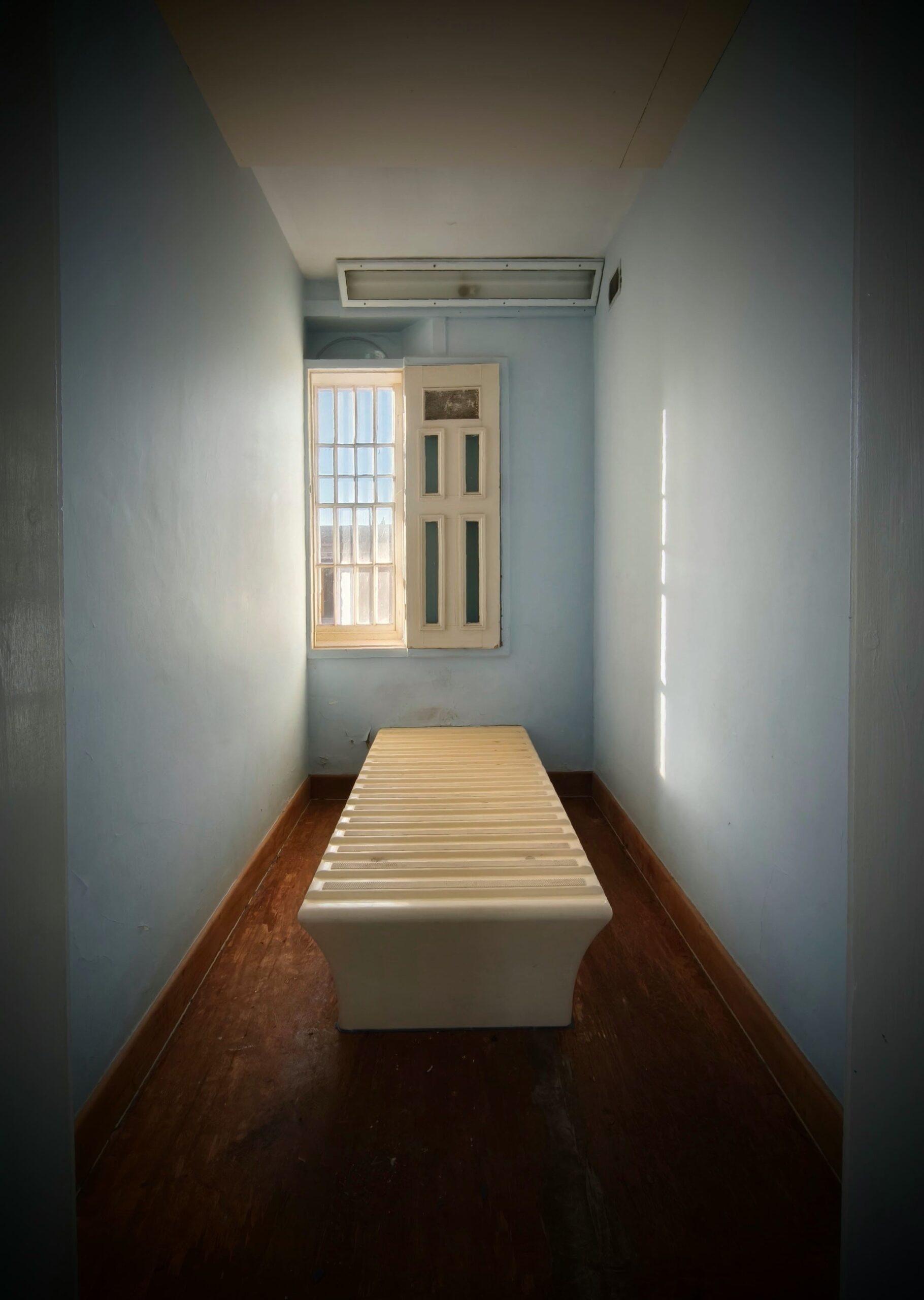
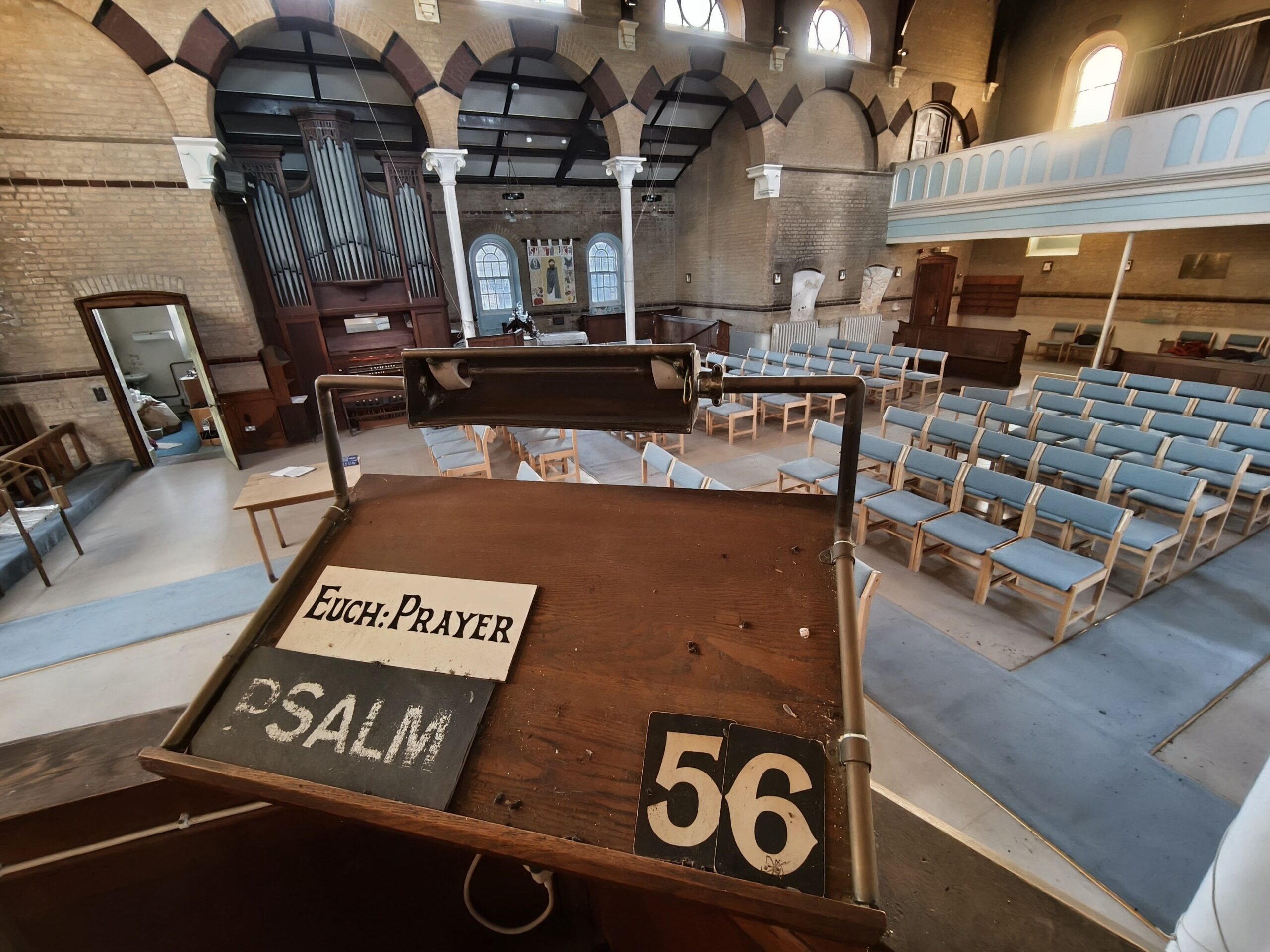
Nestled in the Crowthorne woods of Berkshire, Broadmoor Hospital is perhaps the most famous—and widely misunderstood—high-security psychiatric institution in the United Kingdom. Opening its doors in the mid-19th century, its history reflects the dramatic evolution of how society views and treats criminal insanity.
The Victorian Origins (1863)
Before Broadmoor, individuals who committed violent crimes but were found insane by a court were usually sent to ordinary prisons or local asylums, neither of which were equipped to handle them. The Criminal Lunatics Act of 1860 changed this, authorising the construction of the first dedicated asylum for the criminally insane.
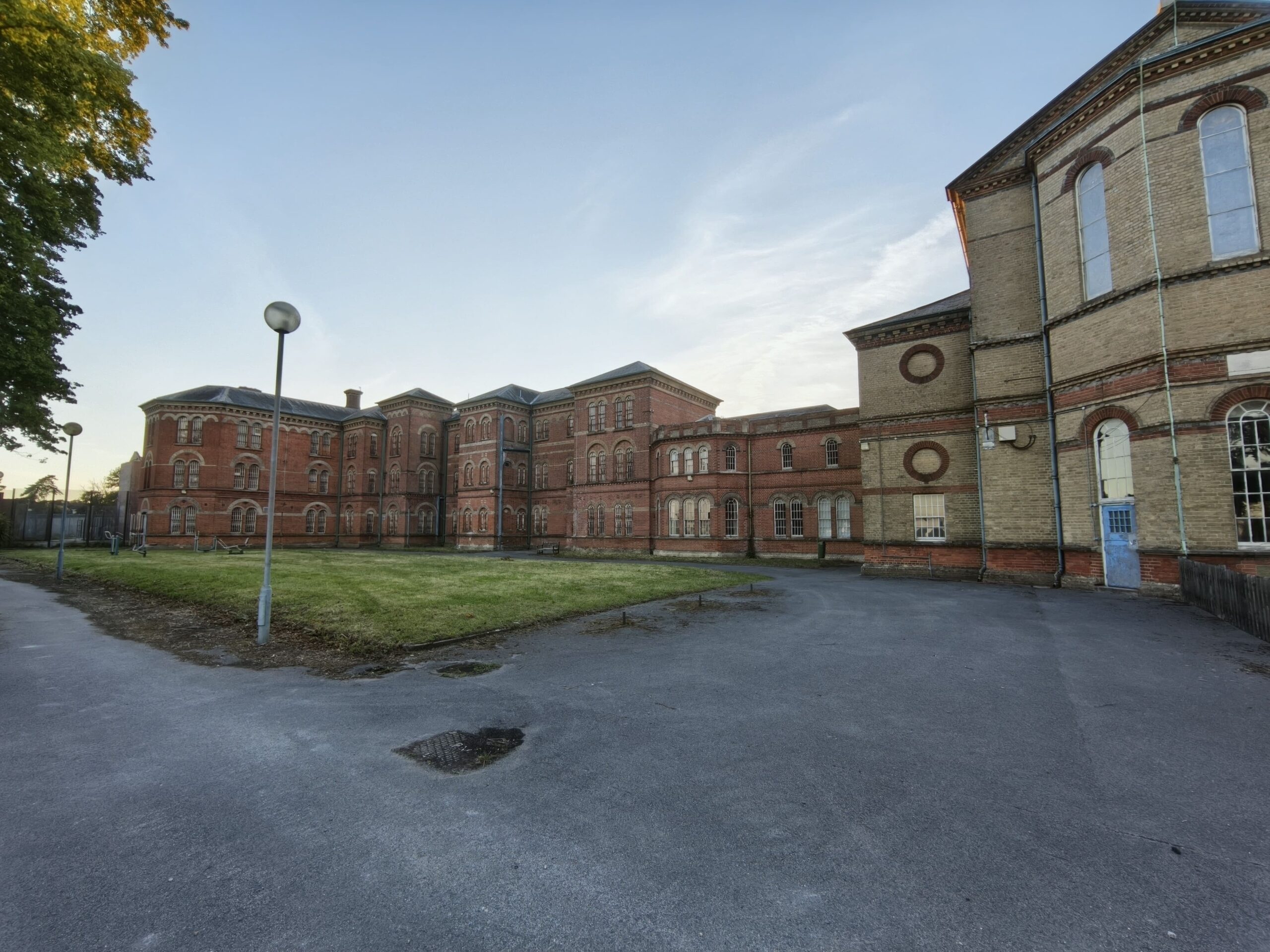
Designed by the prominent military engineer Sir Joshua Jebb, the Broadmoor Criminal Lunatic Asylum officially opened in 1863.
The First Patients: The very first intake consisted of 95 female patients. Male patients arrived the following year, in 1864.
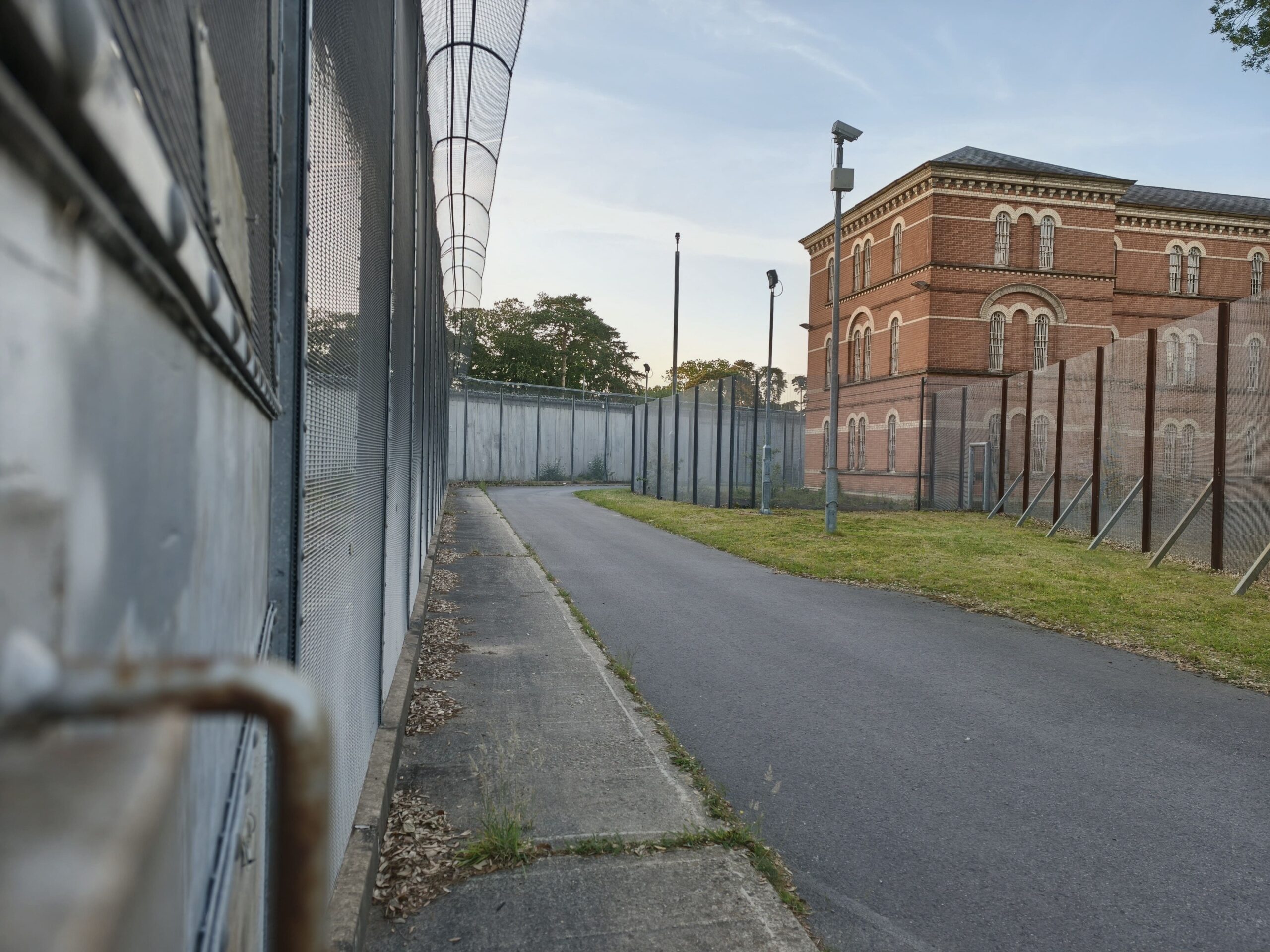
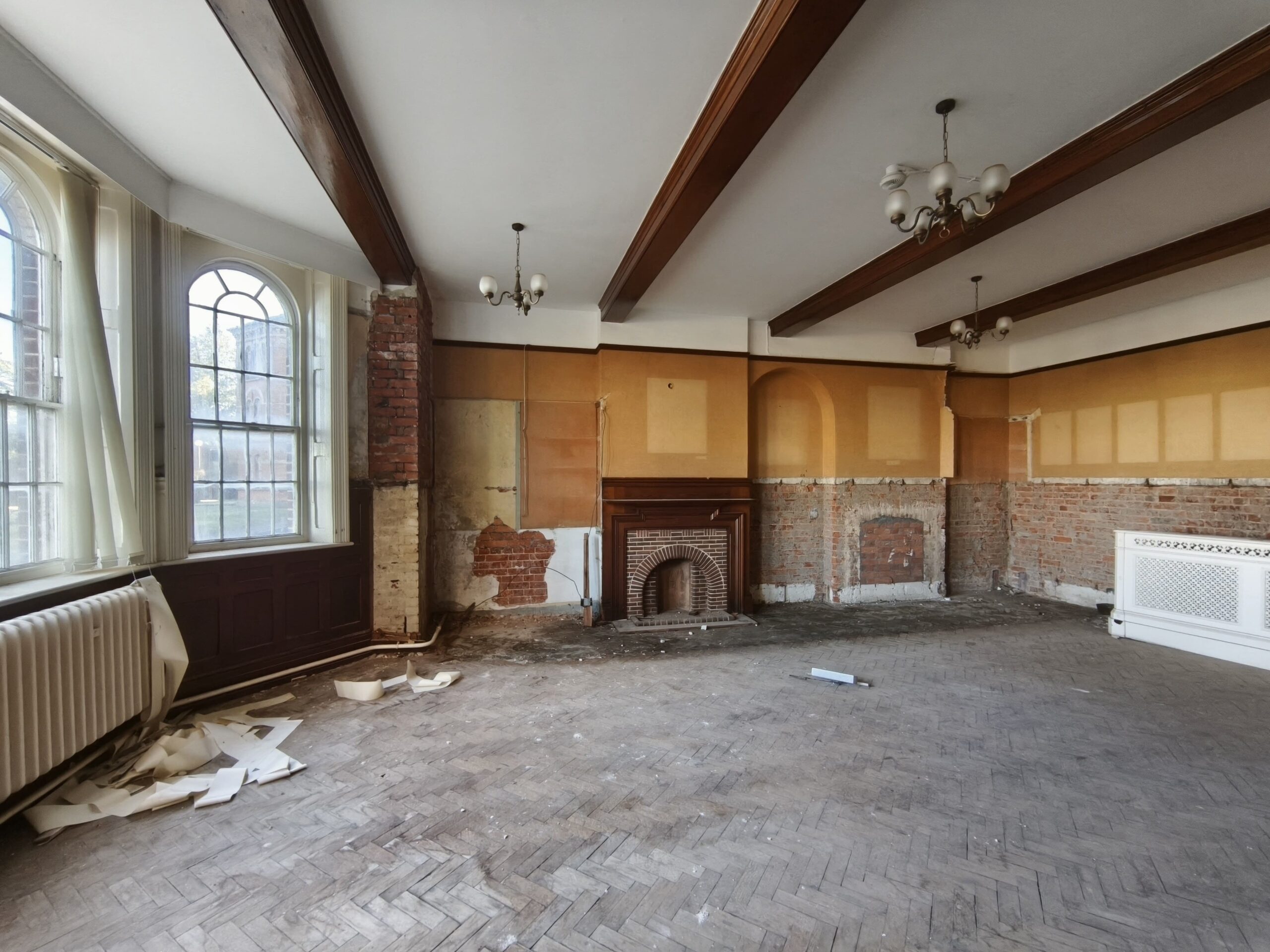
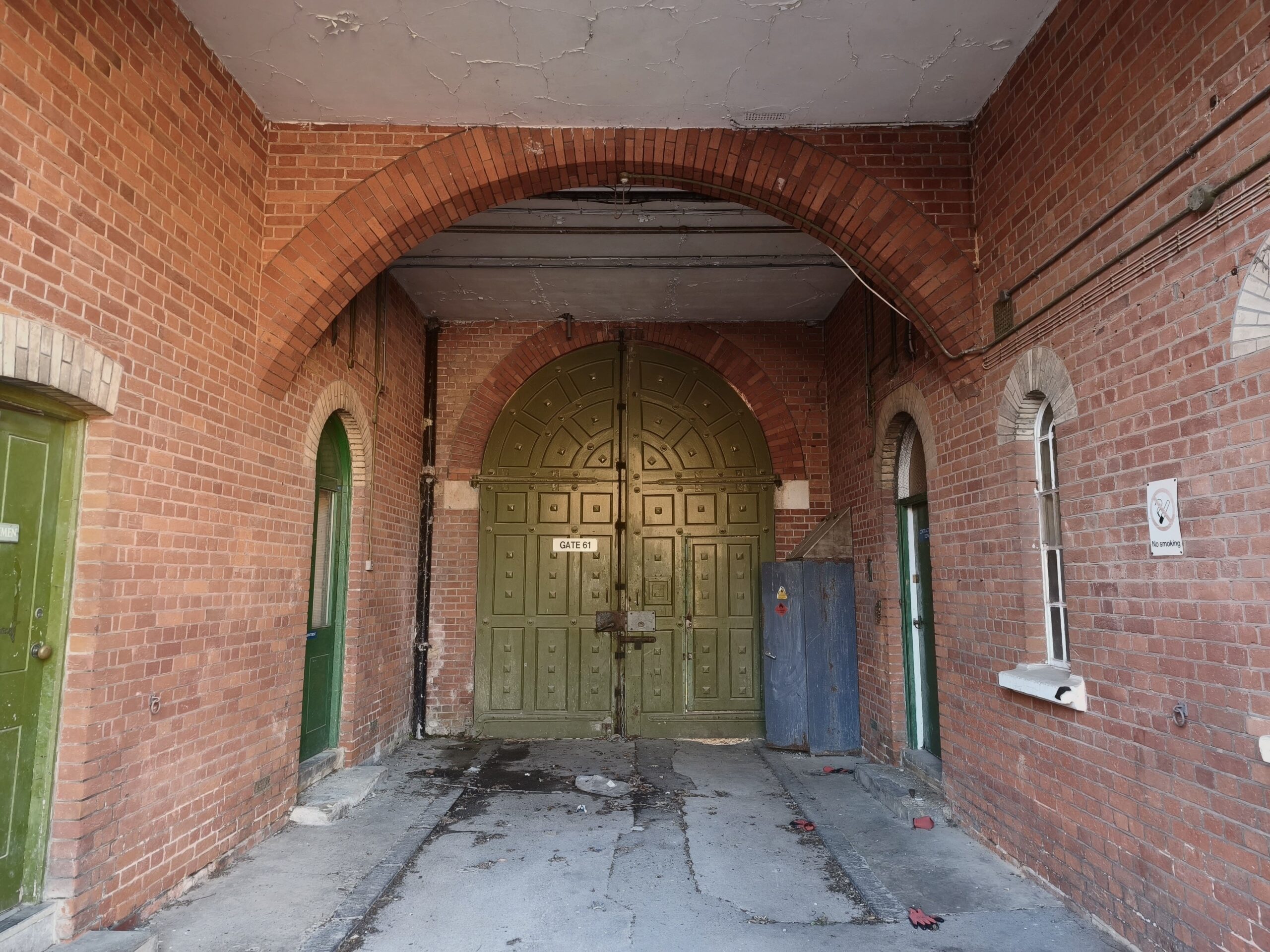
The Architecture: Built with distinctive red brick, it was designed with a Victorian “pavilion” style, meant to maximise light and fresh air, though it was securely contained behind massive, imposing walls.
Contrary to its grim public reputation, early Broadmoor was relatively progressive for its time. Under its first superintendent, John Meyer, the asylum prioritised a calm environment, offering patients access to extensive gardens, a library, allotments, and workshops.
Key Historical Shifts
Over its century and a half of operation, Broadmoor underwent several major administrative and cultural transformations:
1948 – The NHS Era: Following the Criminal Justice Act of 1948, control of Broadmoor shifted from the Prison Commissioners to the Ministry of Health. This marked a official transition from a “prison asylum” mindset to a medical hospital, and it was renamed Broadmoor Hospital.
The Broadmoor Siren (1952): Following the high-profile escape of a patient in 1952, the hospital installed a distinct air-raid style siren system. Testing every Monday morning, it became a defining, eerie characteristic of the local Berkshire and Surrey landscape for decades, alerting schools and residents within a several-mile radius.
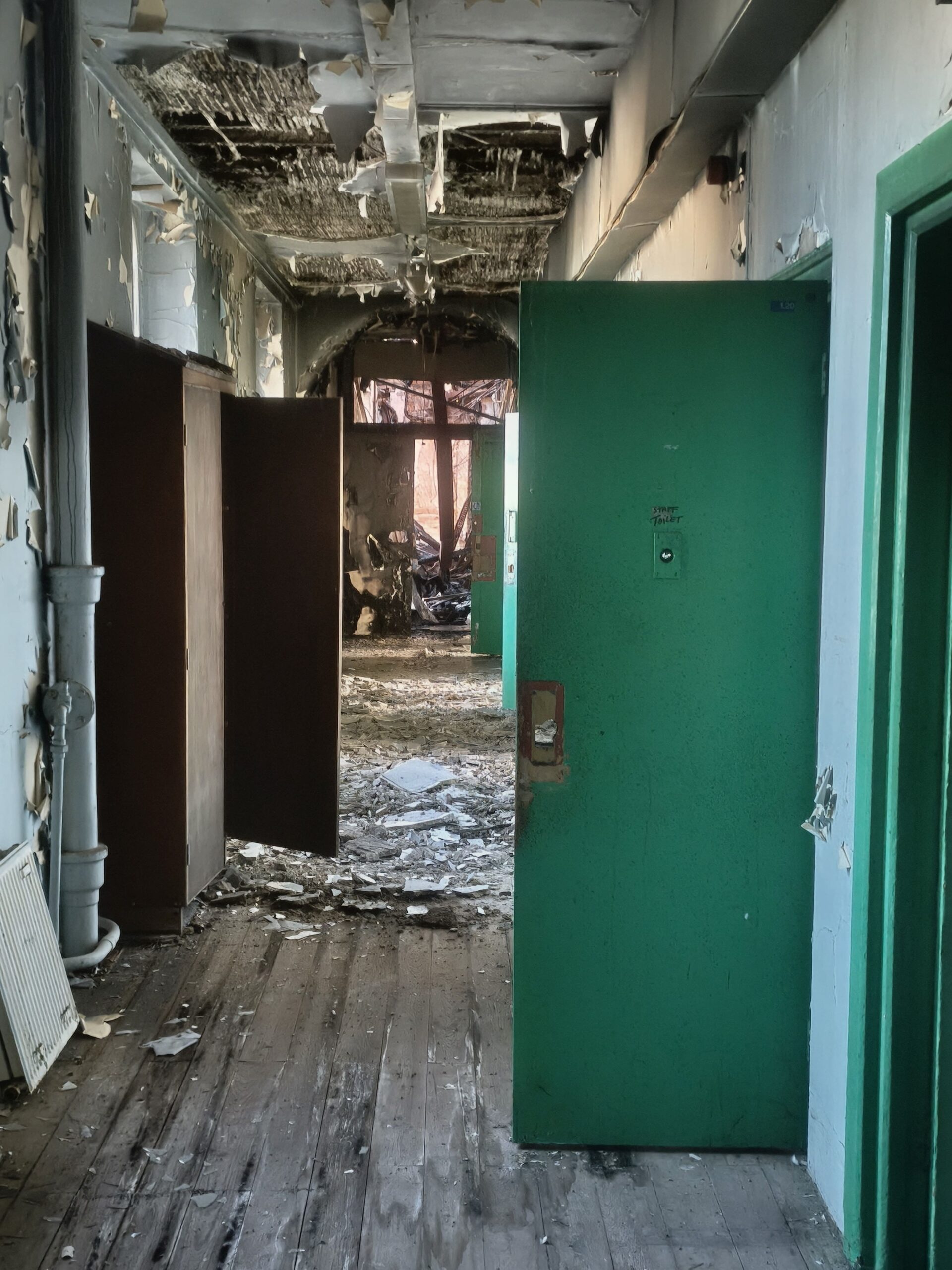
1990s to Present – Modernisation: By the late 20th century, the original Victorian buildings were increasingly unfit for modern psychiatric care. They were cramped, difficult to secure with modern technology, and lacked therapeutic efficiency.
The New Broadmoor (2019)
A massive turning point occurred in December 2019, when a brand-new, purpose-built £250 million hospital facility was officially opened on the grounds adjacent to the old Victorian site.
A Shift in Design: The modern facility replaced the old, dark corridors with bright, open spaces, state-of-the-art security, and advanced therapeutic environments, moving completely away from its 19th-century architecture.
Summary of Broadmoor’s Legacy
Broadmoor’s history is a complex tapestry. In popular culture, it is often sensationalized due to some of its notorious high-profile patients. However, within the medical and legal communities, Broadmoor is recognised as a pioneering institution that helped shape the modern field of forensic psychiatry—balancing public safety with the evolving clinical treatment of severe mental illness.


Recent Comments